
Expert Travel Tips and Guides Key Takeaways
Every adventure begins with a plan, but even the best-laid itineraries can hit trouble without Expert Travel Tips and Guides .
- Learn why Expert Travel Tips and Guides help you pack lighter, save money, and stay safe.
- Discover budget-friendly strategies for solo trips, family vacations, and group adventures.
- Walk away with a practical checklist, packing hacks, and critical safety advice.
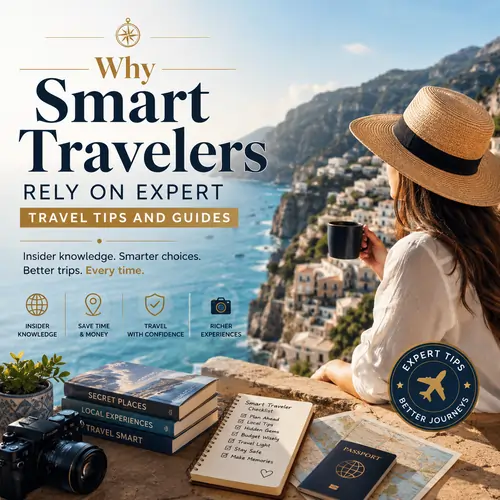
Why Smart Travelers Rely on Expert Travel Tips and Guides
Traveling well isn’t about luck; it’s about preparation. Whether you’re planning a weekend road trip or a month-long backpacking journey, Expert Travel Tips and Guides give you a framework to avoid pitfalls and maximize enjoyment. The difference between a stressful trip and a seamless one often comes down to a few key decisions made before you leave home.
Too many travelers learn the hard way—they overpack, misunderstand local customs, or waste money on unnecessary extras. By applying proven expert travel tips for every adventure, you can save time, reduce stress, and focus on what matters: the experience itself.
Mistake #1: Overpacking and Carrying the Wrong Gear
Packing too much is the most common error across all trip types. It leads to baggage fees, sore shoulders, and time wasted repacking. Travel guides for all trips consistently emphasize one rule: lay out everything you plan to bring, then remove half.
Packing Hack: The Capsule Wardrobe
Choose neutral colors that mix and match. For a week-long trip, three tops, two bottoms, one jacket, and two pairs of shoes are often enough. Add a lightweight packing cube system to keep items organized.
Gear Checklist by Adventure Type
Solo backpackers need a 35–50 liter bag with a built-in rain cover. Family travelers benefit from wheeled duffels and a separate daypack for essentials. Always test your luggage fully packed before departure.
Mistake #2: Booking Without Checking Local Seasons
Many travelers pick dates based on work leave or cheap flights, ignoring local weather, festivals, or holidays. This can lead to closed attractions, extreme conditions, or crowded sites.
Use Expert Travel Tips and Guides to research shoulder seasons—the periods just before or after peak tourism. You’ll enjoy better weather, lower prices, and fewer crowds. Always check at least three sources for seasonal conditions before booking.
Mistake #3: Ignoring Budget Breakdown Beyond Flights and Hotels
Airfare and accommodation get all the attention, but day-to-day costs like meals, transport, tips, and entrance fees can double your budget. Create a daily spending estimate using local averages.
| Expense Category | Average Daily Cost (USD) | Savings Tip |
|---|---|---|
| Meals (budget traveler) | $20–$40 | Eat at markets or street stalls |
| Local transport | $5–$20 | Use public transit passes |
| Attractions and tips | $10–$30 | Look for free walking tours |
| Miscellaneous | $10–$25 | Set a daily cash limit |
Track spending with a simple app or notebook. Travel guides for all trips recommend adding a 15% buffer for unexpected costs.
Mistake #4: Skipping Travel Insurance
A medical emergency abroad or a canceled flight can cost thousands. Yet a shocking number of travelers still skip insurance. Comprehensive coverage costs as little as $30–$100 per trip and covers medical evacuation, trip cancellation, and lost baggage.
Read policy details carefully: some exclude adventure sports or pre-existing conditions. Compare at least two providers and look for 24/7 emergency support.
Mistake #5: Failing to Plan for Safety and Health
Safety isn’t just about avoiding crime—it includes knowing where the nearest hospital is, carrying a basic first aid kit, and having digital copies of important documents. Expert Travel Tips and Guides advise registering with your home country’s embassy for longer trips.
Safety Checklist Before You Go
- Photograph your passport, visa, and credit cards. Store copies in a secure cloud folder.
- Download offline maps and emergency numbers.
- Share your itinerary with a trusted contact back home.
- Check travel advisories on official government sites like U.S. State Department Travel Advisories.
Mistake #6: Not Adapting to Local Culture and Customs
What’s polite in one country can be rude in another. Dress codes, tipping norms, and greeting styles vary widely. Expert travel tips for every adventure include learning at least five phrases in the local language and observing locals before acting.
Use reputable travel guides for all trips to read about cultural dos and don’ts. For example, in Japan, tipping is not expected, while in the United States, 15–20% is standard at restaurants.
Mistake #7: Overplanning vs. Underplanning
Both extremes cause issues. Overplanning leaves no room for spontaneity; underplanning leads to missed opportunities and wasted time. Strike a balance: book major accommodation and transport, but leave one or two half-days free each week for unhurried exploration.
Use Expert Travel Tips and Guides to build a flexible itinerary with three priority activities per day and optional backups.
Mistake #8: Forgetting Digital Organization
Lost tickets, forgotten passwords, and drained batteries can derail a trip. Digitize everything before you leave. Store boarding passes, hotel confirmations, and rental car vouchers in a single folder accessible offline.
Carry a portable power bank (at least 10,000 mAh) and a universal adapter. Label your bags with a smart tag that includes a QR code linking to your contact info.
Mistake #9: Ignoring Sustainability While Traveling
Travel can put pressure on local ecosystems and communities. Avoid single-use plastics, choose eco-certified accommodations, and support locally owned businesses. Travel guides for all trips increasingly include sustainability ratings.
Small changes—carrying a reusable water bottle, saying no to plastic straws, and buying from artisans rather than chains—make a big difference over time.
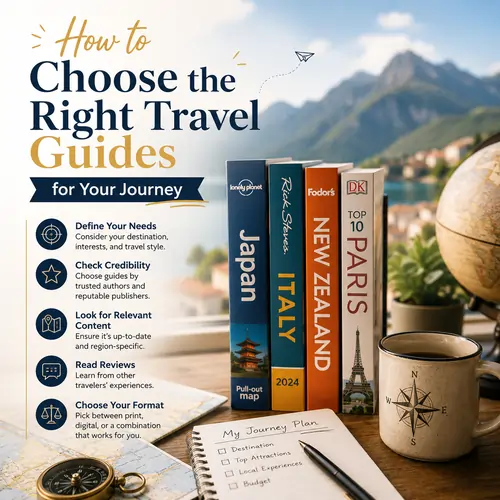
How to Choose the Right Travel Guides for Your Journey
Not all guides are created equal. Look for ones that are updated annually, written by locals or long-term residents, and include practical logistics (not just glossy photos). Expert Travel Tips and Guides from sources like Lonely Planet offer reliable, peer-reviewed content across hundreds of destinations.
Pair a comprehensive guide with blogs and forums that give real-time tips. Reddit communities like r/travel and r/solotravel are goldmines for current advice.
Useful Resources
For deeper planning, bookmark these two authoritative sources:
- Lonely Planet – destination guides and expert travel advice
- U.S. State Department International Travel Information – safety, visas, and country-specific warnings
Expert Travel Tips and Guides turn a good trip into an extraordinary one. By avoiding these nine mistakes, you’ll travel smarter, safer, and with more confidence. Start your next adventure with the right preparation—and enjoy every moment.
Frequently Asked Questions About Expert Travel Tips and Guides
What is the most important thing to pack for any trip?
A portable power bank, universal adapter, and a basic first aid kit top the list. These three items solve the most common travel problems—dead phone, incompatible plugs, and minor injuries.
How can I save money while traveling?
Book flights in incognito mode, use local transit, eat at markets, and stay in hostels or guesthouses. Expert Travel Tips and Guides recommend setting a daily cash budget and tracking every expense.
Is travel insurance really necessary?
Yes. Even minor medical issues abroad can be costly. Insurance covers medical evacuation, trip cancellation, lost baggage, and more. It is one of the most affordable safety nets you can buy.
What should I do if I lose my passport overseas?
Immediately contact the nearest embassy or consulate. Always carry a photocopy and a digital copy in cloud storage. The replacement process takes a few days, so report the loss as soon as possible.
How do I choose between a tour group and independent travel?
Tour groups handle logistics and provide structure, ideal for first-time or solo travelers. Independent travel offers freedom and lower costs. Mix both: book a few group experiences and explore alone on other days.
What are the best apps for travel planning?
Google Maps (offline), TripIt (itinerary organizer), XE Currency (exchange rates), and PackPoint (packing list) are essential. Rome2Rio helps plan multi-leg trips.
How can I stay safe as a solo traveler?
Share your itinerary with someone at home, avoid walking alone at night in unfamiliar areas, and trust your instincts. Stay in well-reviewed accommodations with 24-hour front desks.
What is the biggest mistake new travelers make?
Overpacking and underestimating local costs. Expert Travel Tips and Guides show that new travelers often bring too much clothing and not enough budget for daily expenses.
How do I find authentic local experiences?
Ask locals, use forums like Reddit, and avoid tourist-only streets. Take a cooking class, join a walking tour led by a resident, or visit local markets. Travel guides for all trips now include “off-the-beaten-path” sections.
When is the best time to book flights?
Domestic flights are cheapest 1–3 months ahead; international flights 2–6 months ahead. Tuesdays and Wednesdays often have lower fares. Set price alerts to track drops.
How do I avoid jet lag?
Hydrate before and during the flight, adjust your sleep schedule by 1–2 days before departure, and expose yourself to natural light at your destination. Melatonin supplements can help but consult a doctor first.
What should I know about tipping abroad?
Tipping customs vary widely. In the U.S., 15–20% is expected at restaurants. In Japan, tipping is not customary. In many European countries, service is included. Research each destination’s norms before you go.
How can I travel with a limited budget?
Choose destinations with a lower cost of living, travel during off-peak seasons, stay in hostels or guesthouses, cook some meals, and use student or senior discounts where available. Expert travel tips for every adventure emphasize planning one big splurge and cutting elsewhere.
What documents should I always carry while traveling?
Always have your passport (or a notarized copy), visa, travel insurance details, emergency contacts, and a list of allergies. Keep digital copies in two separate secure locations.
Is it safe to use public Wi-Fi abroad?
Public Wi-Fi can be insecure. Use a VPN (Virtual Private Network) for any activity involving personal or financial data. Avoid logging into banking apps on unsecured networks.
How do I handle flight delays or cancellations?
Download the airline’s app for real-time updates, know your passenger rights (e.g., EU Regulation 261 for flights within Europe), and keep a backup plan. Travel insurance often covers rebooking fees.
What is the best way to learn local phrases quickly?
Use language apps like Duolingo or Memrise for basics. Focus on greetings, “please,” “thank you,” “where is,” and “how much.” Practice with audio clips during commute.
How do I prevent theft while traveling?
Use a money belt or hidden pouch, keep valuables in a hotel safe, don’t flash expensive items, and be aware of common scams in the area. Travel guides for all trips often list the most common local scams.
What are the signs of a reliable tour operator?
Look for proper licensing, insurance, positive reviews on independent platforms, transparent pricing, and a clear cancellation policy. Ask for references directly if you have concerns.
How can I make my trip more sustainable?
Choose eco-certified accommodations, avoid single-use plastics, buy from local artisans, use public transport, and offset your flight’s carbon emissions through credible programs. Every small step counts.
